
Makkah and Madinah Ziyarat Places to Visit During Umrah
Get the latest 2026 Ziyarat guide for key destinations during Umrah. This comprehensive resource highlights the most important and commonly visited sites in Makkah and Madinah for your Umrah journey. Discover the major ziyarat locations in both cities along with a clear, step-by-step walkthrough to enhance your spiritual trip.
Ziyarat and Umrah Guide
Understanding Umrah
Umrah is a highly valued act of worship in Islam and is regarded as a Sunnah for Muslims. It offers believers an opportunity to strengthen their faith and seek spiritual closeness to Allah. Below is a simple and clear guide outlining the main steps involved in performing Umrah.
Ihram
The first stage of Umrah begins with entering the state of Ihram. Before doing so, pilgrims should perform ghusl (ritual purification) and wear the appropriate Ihram clothing.
Men wear two unstitched white cloths—one wrapped around the waist and the other draped over the shoulders.
Women may wear modest, loose-fitting clothing that covers the entire body, leaving only the face and hands uncovered.
Niyyah (Intention)
As you approach the sacred boundaries of Makkah, make the intention for Umrah sincerely in your heart. This intention does not require any fixed verbal statement and can be made silently.
Tawaf
Upon entering Masjid al-Haram, proceed towards the Holy Kaaba to perform Tawaf. This involves walking around the Kaaba seven times in an anti-clockwise direction, beginning from the Black Stone area.
Maqam Ibrahim
After completing Tawaf, offer two Rak‘ahs of Nafl prayer near Maqam Ibrahim, if space and circumstances allow.
Sa’i
Next, perform Sa’i, which consists of walking seven rounds between the hills of Safa and Marwah. Begin at Safa, engage in supplication, and continue towards Marwah. The final round concludes at Marwah.
Tahallul
Once Sa’i is completed, men trim or shave part of their hair, while women cut a small portion of their hair. This act symbolizes purification and marks the exit from the state of Ihram.
Completion of Umrah
With Tahallul completed, the Umrah ritual comes to an end. All Ihram restrictions are lifted, allowing pilgrims to resume their normal daily activities.
Ziyarat During Umrah
Alongside Umrah rituals, pilgrims often visit various religious and historical sites in and around Makkah and Madinah. These ziyarat locations carry deep spiritual significance and are commonly included in Umrah travel itineraries.
Major Ziyarat Sites in Makkah
Makkah, located in Saudi Arabia, is the birthplace of Prophet Muhammad (peace be upon him) and holds unmatched importance in Islam. Muslims from across the globe travel to this sacred city to perform Hajj and Umrah and to visit its revered landmarks. At the heart of Makkah stands the most sacred site on earth — the Holy Kaaba, situated within Masjid al-Haram. If you are preparing for Umrah or Hajj, you may wish to explore notable ziyarat locations in Makkah. Below is an overview of some of the most well-known and frequently visited sites.
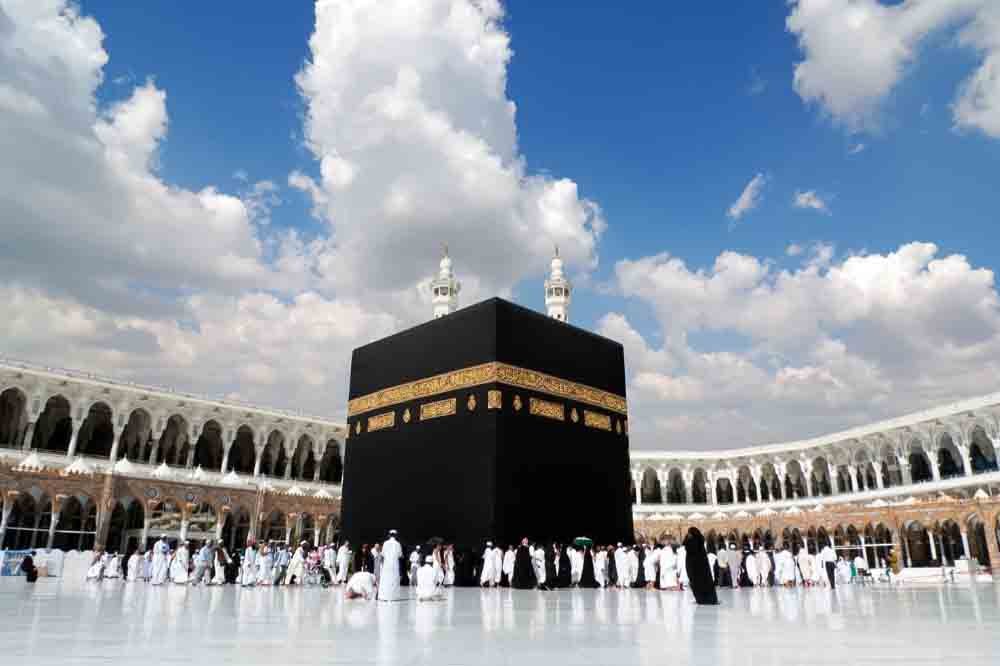
Masjid al-Haram
Masjid al-Haram, often referred to as the Grand Mosque of Islam, is situated in Makkah, Saudi Arabia. It is the largest mosque in the world and forms the sacred enclosure around the Holy Kaaba.
At the heart of the mosque stands the Kaaba — the black, cube-shaped structure that holds the highest spiritual importance in Islam. Muslims across the globe face towards the Kaaba during their daily prayers, as it represents the Qiblah for all believers.
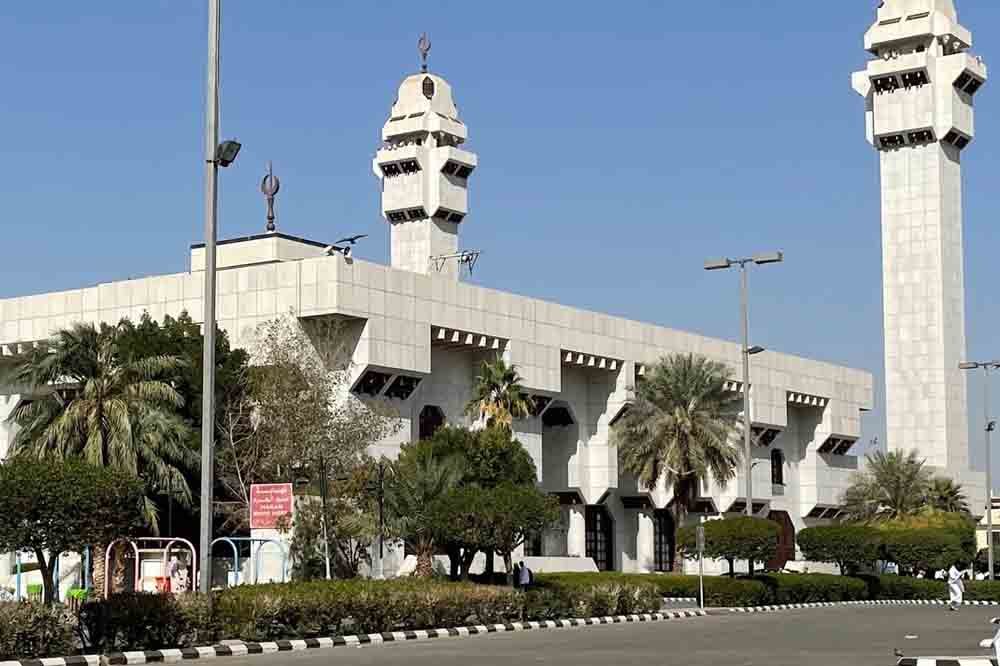
Masjid e Aisha (Masjid at-Taneem)
Masjid e Aisha, also known as Masjid at-Taneem, is the second-largest mosque in Makkah and an important ziyarat site for pilgrims. It holds special significance for those intending to perform Umrah.
Pilgrims who wish to enter the state of Ihram for Umrah can do so at this mosque before proceeding to Masjid al-Haram. For residents of Makkah, this mosque serves as a Miqat—the designated location to begin the Ihram for Umrah.
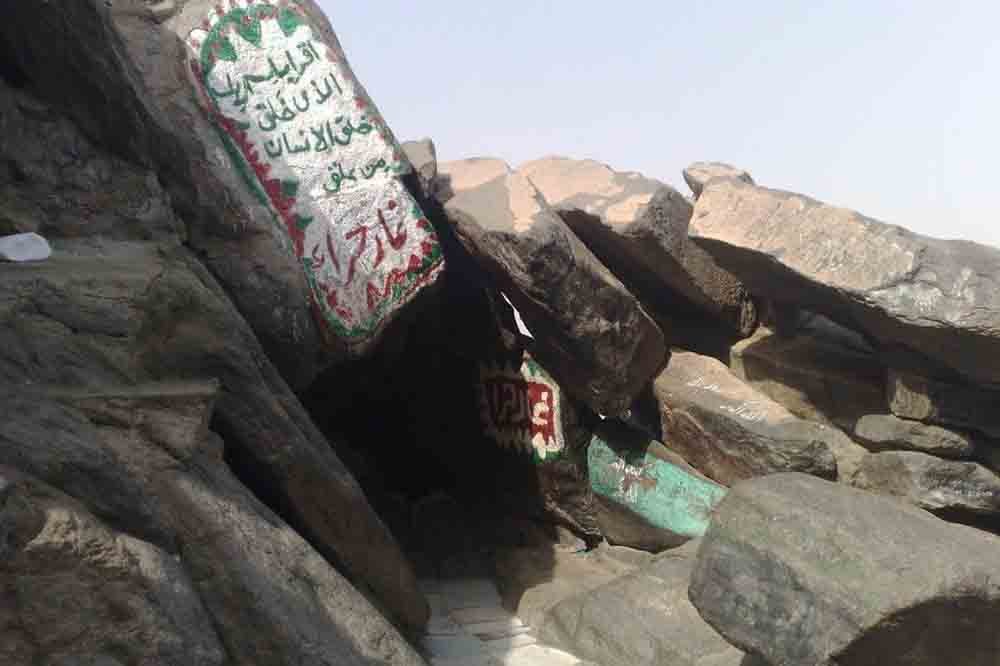
The Cave of Hira
Located in the Hejaz region near Makkah, the Cave of Hira sits atop Jabal al-Nour at an elevation of 634 meters. This historic cave is one of the most revered sites in Islam, as it is where Prophet Muhammad (peace be upon him) spent much of his time in meditation and reflection. It is also the place where the first revelation of the Qur’an was revealed to the Prophet, marking a pivotal moment in Islamic history.
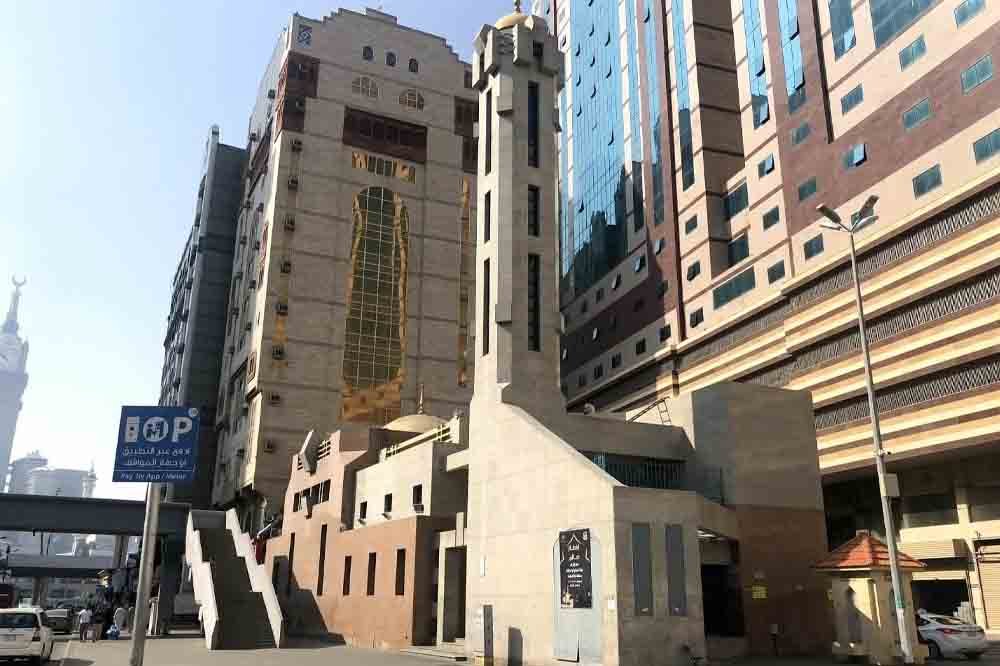
Masjid al-Jinn
Masjid al-Jinn, also called the Mosque of the Jinn, is an important religious site in Makkah, Saudi Arabia. This mosque is closely linked to a notable event from the life of Prophet Muhammad (peace be upon him).
According to Islamic tradition, a group of Jinn approached the Prophet while he was reciting the Qur’an in the area now known as Wadi Jinn, approximately 2.5 miles east of Masjid al-Haram. During this encounter, the Prophet taught them the Qur’an, making this location historically and spiritually significant for pilgrims visiting Makkah.
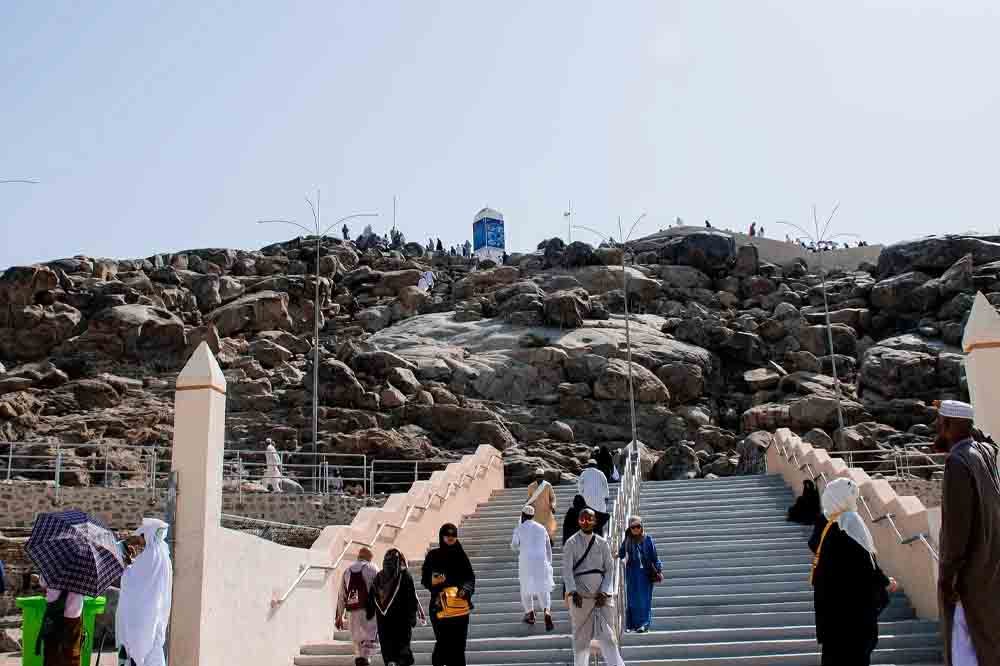
Jabal e Rehmat (Mount Arafat)
Jabal e Rehmat, also known as Mount Arafat, is a highly significant site for pilgrims performing Hajj or Umrah. Every year, on the 9th day of Dhu al-Hijjah, pilgrims gather on the plains of Arafat to engage in prayers and reflection. This day, called the Day of Arafah, is one of the most important and spiritually pivotal moments of the Hajj pilgrimage.
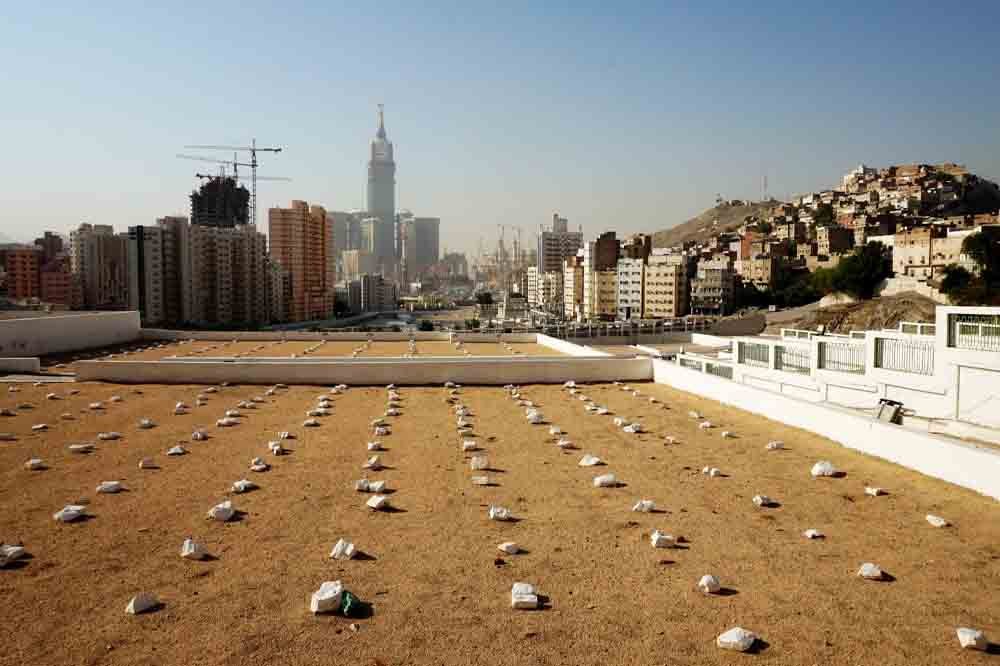
Jannat ul-Mualla
Jannat ul-Mualla, also known as Al-Hajun, is a historically and spiritually significant cemetery located in Makkah, Saudi Arabia. It is the final resting place of several of the Prophet Muhammad’s (peace be upon him) family members, including his beloved wife Khadijah bint Khuwaylid and his grandfather Abdul Muttalib.
Other prominent figures buried here include Abu Talib, the Prophet’s uncle and guardian, and Abdullah ibn Abdul-Muttalib, the Prophet’s father. Jannat ul-Mualla is deeply revered by Muslims worldwide, who often visit to pay respects and offer prayers for the departed souls.
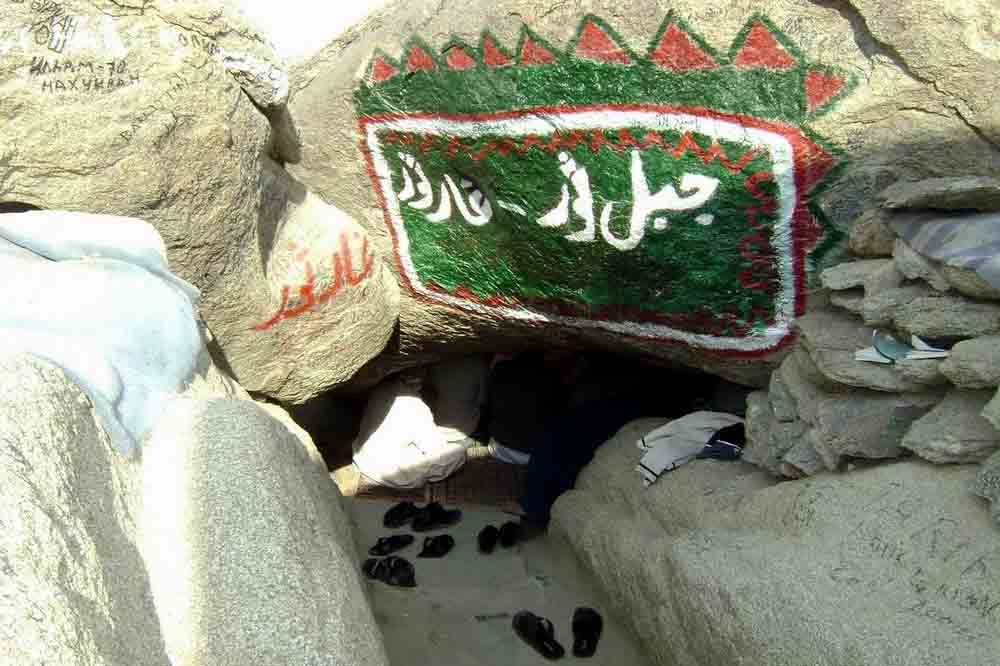
Cave of Thawr
The Cave of Thawr, located in the Thawr mountains near Makkah, is a site of great historical and religious significance in Islam. It is famously associated with Prophet Muhammad (peace be upon him) and his close companion Abu Bakr (RA).
During the migration (Hijrah) from Makkah to Madinah, the Prophet and Abu Bakr took refuge in this cave, making it a symbol of faith, patience, and divine protection. Today, it remains an important ziyarat site for pilgrims visiting Makkah.
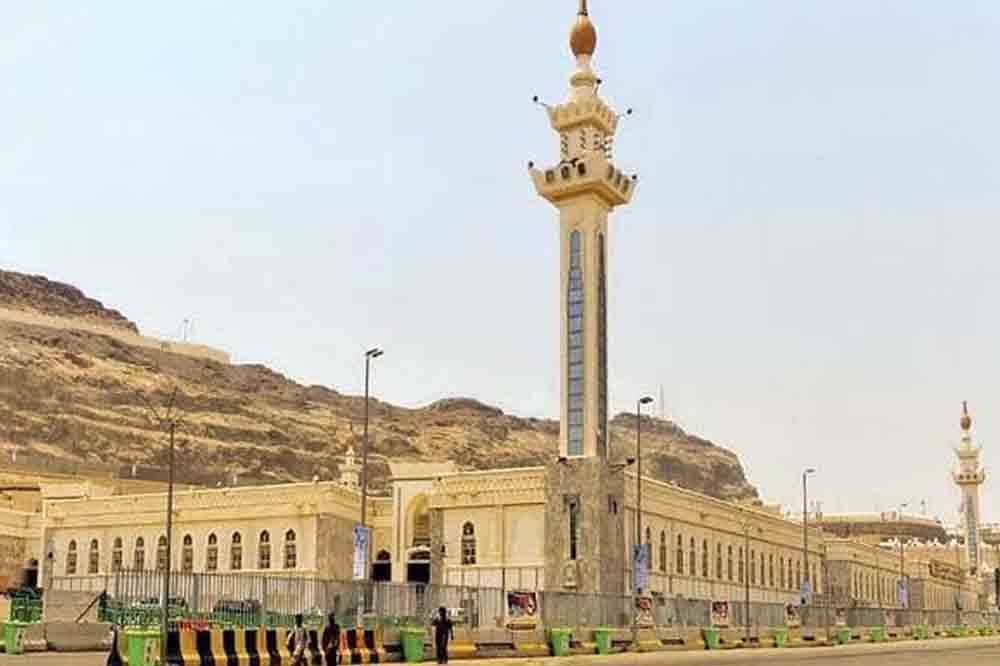
Masjid al-Khaif
Masjid al-Khaif is an important mosque situated in Mina, close to Makkah, Saudi Arabia. This mosque holds historical and religious significance as it is the site where Prophet Muhammad (peace be upon him) and his companions performed Tawaf al-Ziyarah during Hajj. It remains a noteworthy ziyarat location for pilgrims seeking to follow the Prophet’s footsteps.
Top Ziyarat Places in Madinah
Madinah al-Munawwarah, located in the Hejaz region of western Saudi Arabia, is the second holiest city in Islam after Makkah. Known as the “City of the Prophet (peace be upon him),” Madinah holds immense spiritual and historical significance. During Umrah, one of the most important activities in Madinah is performing ziyarat — visiting sacred sites connected to Prophet Muhammad (peace be upon him), his family, descendants, and companions. These visits allow pilgrims to connect deeply with Islamic history and honor the legacy of the Prophet.
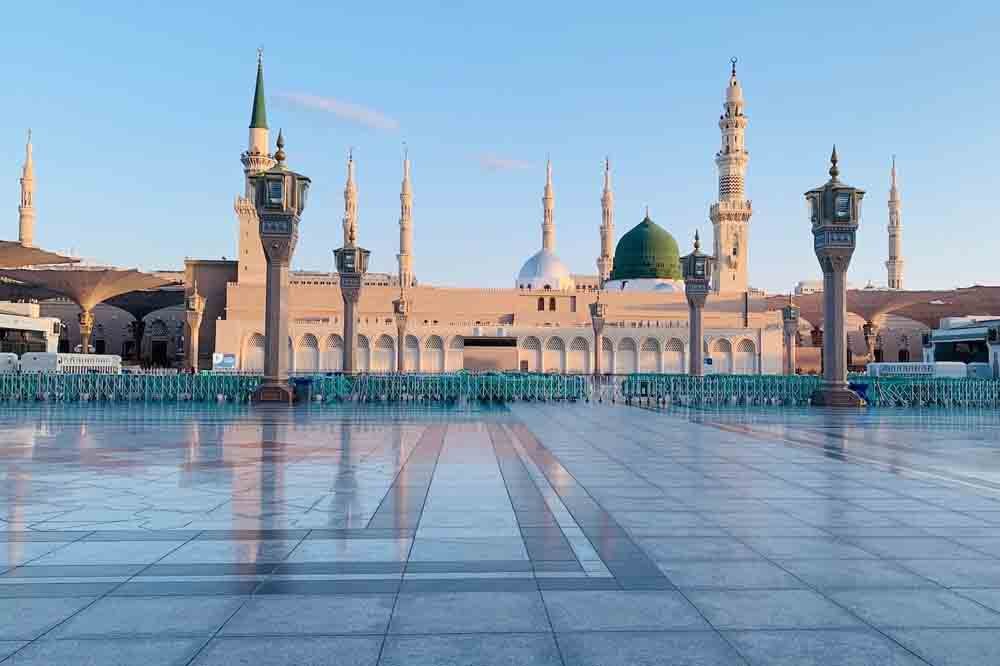
Masjid al-Nabawi
Al-Masjid an-Nabawi, also known as Masjid al-Nabawi, is the most important ziyarat site in Madinah. It is the second-largest mosque in Islam and serves as the final resting place of Prophet Muhammad (peace be upon him).
This historic mosque holds special significance as it was originally built by the Prophet himself. During ziyarat, pilgrims spend time within the mosque offering prayers, reflecting, and visiting the Prophet’s grave in the Rawdah, a space regarded as one of the holiest areas for supplication and spiritual connection.
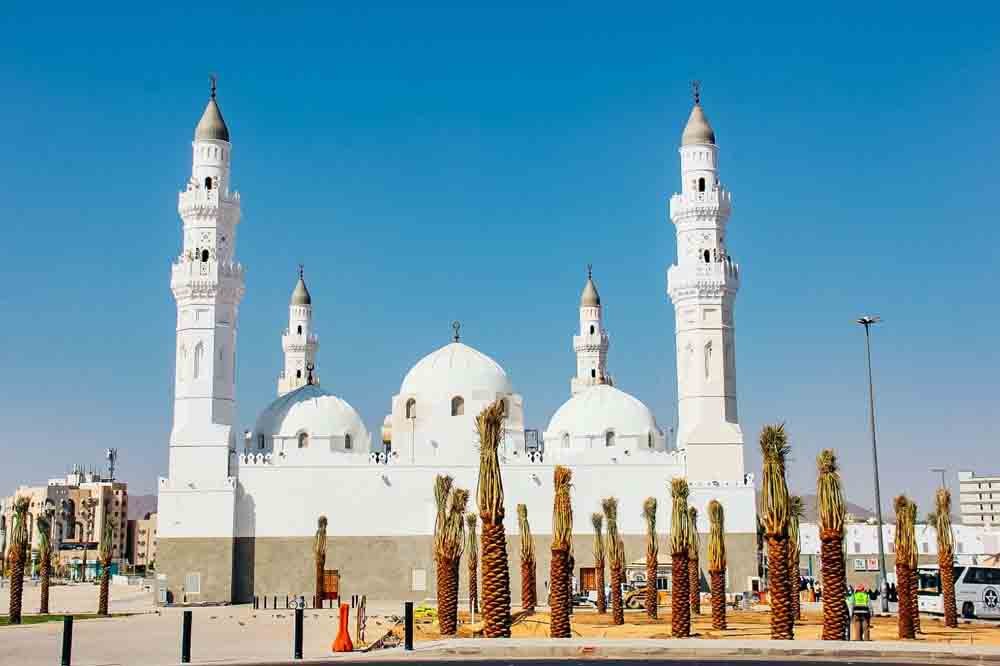
Quba Mosque
Quba Mosque holds a special place in Islamic history and is even referenced in the Holy Qur’an. It is recognized as the first mosque in Islam, located in Madinah, and is highly regarded in the ziyarat of pilgrims. Performing two Rak‘ahs of Nafl prayer here is considered spiritually equivalent to performing Umrah.
The mosque is also admired for its beautiful Islamic architecture and is situated approximately a 15-minute drive from Masjid al-Nabawi, making it an essential stop for pilgrims visiting Madinah.
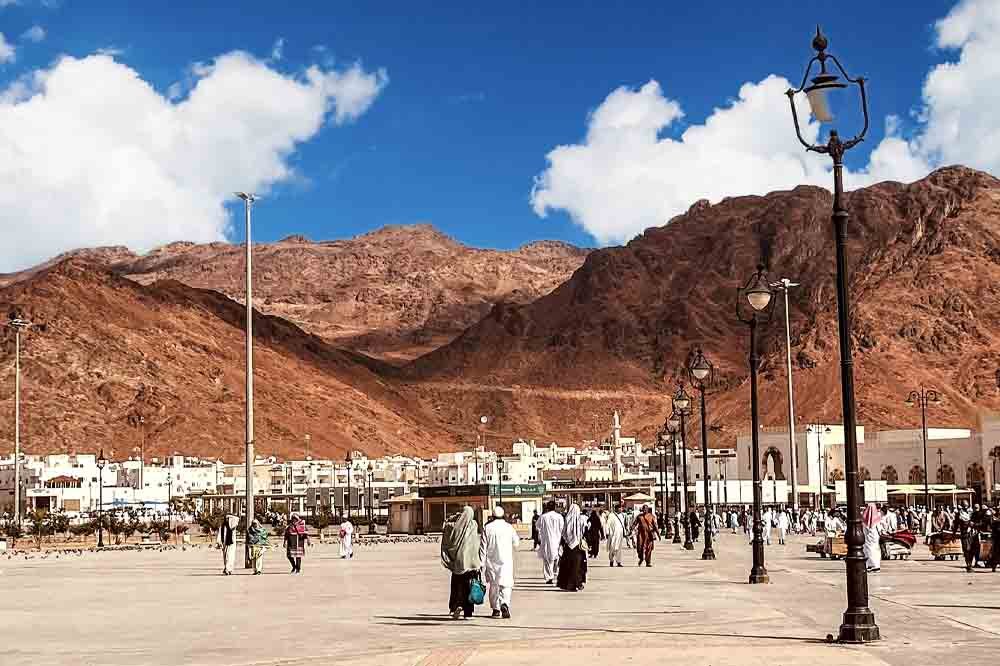
Jabal e Uhud
Jabal al-Uhud, also called Mount Uhud, is a historically significant site located in Madinah, Saudi Arabia. This mountain is renowned for its connection to the Battle of Uhud, which occurred in 625 CE, one year after the Battle of Badr.
Pilgrims visiting Madinah often include Jabal al-Uhud in their ziyarat to reflect on the bravery and sacrifices of the Prophet Muhammad (peace be upon him) and his companions during this pivotal moment in Islamic history.
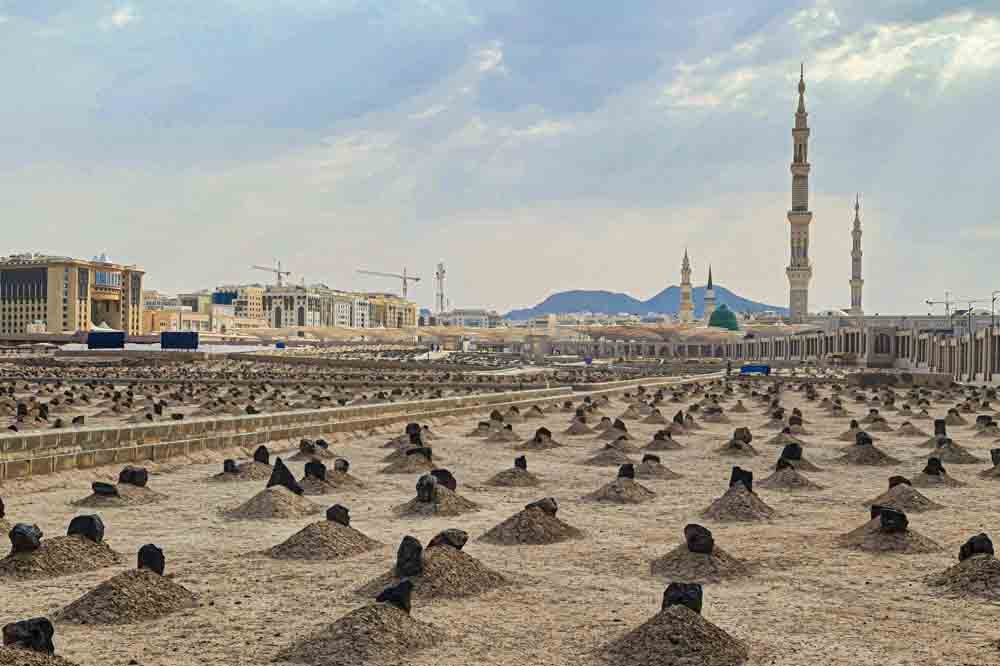
Jannat al-Baqi
Jannat al-Baqi is a highly revered cemetery situated in Madinah, Saudi Arabia. It holds profound significance in Islamic history as the final resting place for numerous companions of Prophet Muhammad (peace be upon him), as well as other early Muslims. Pilgrims visiting Madinah often pay their respects here, reflecting on the legacy and devotion of those who helped shape early Islam.
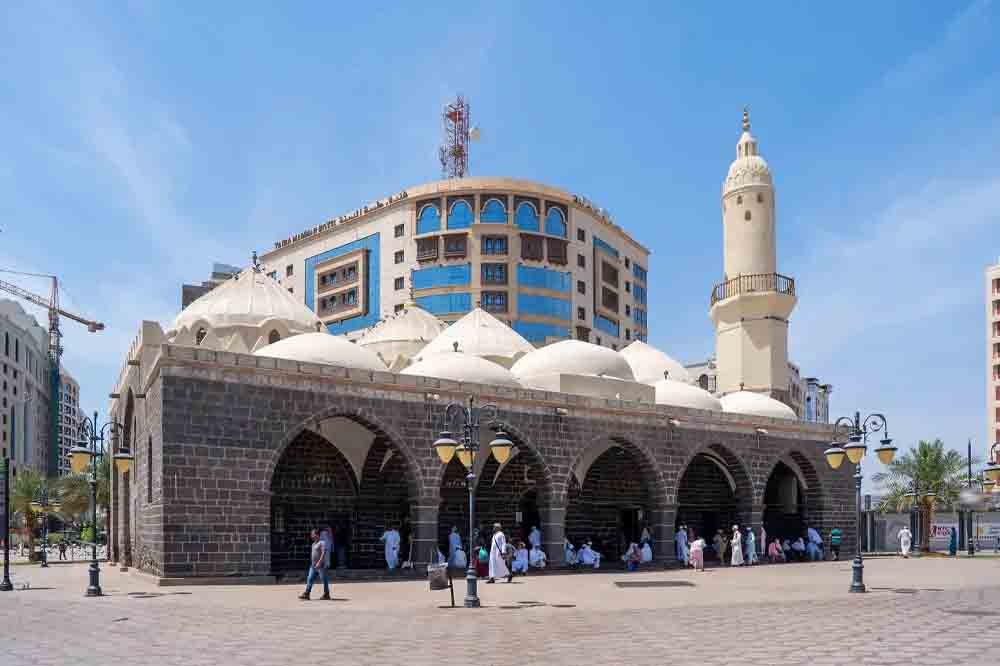
Masjid e Ghamama
Masjid e Ghamama, one of the oldest mosques in Madinah, Saudi Arabia, is located approximately 400 meters southwest of Masjid al-Nabawi. It is believed to be the site where Prophet Muhammad (peace be upon him) led the Eid prayer in 631 CE.
The mosque was later constructed by Caliph Umar bin Abdul Aziz and continues to attract thousands of pilgrims who come to pray and connect with this historic site. Masjid e Ghamama remains a significant landmark closely linked to the life and traditions of the Prophet.
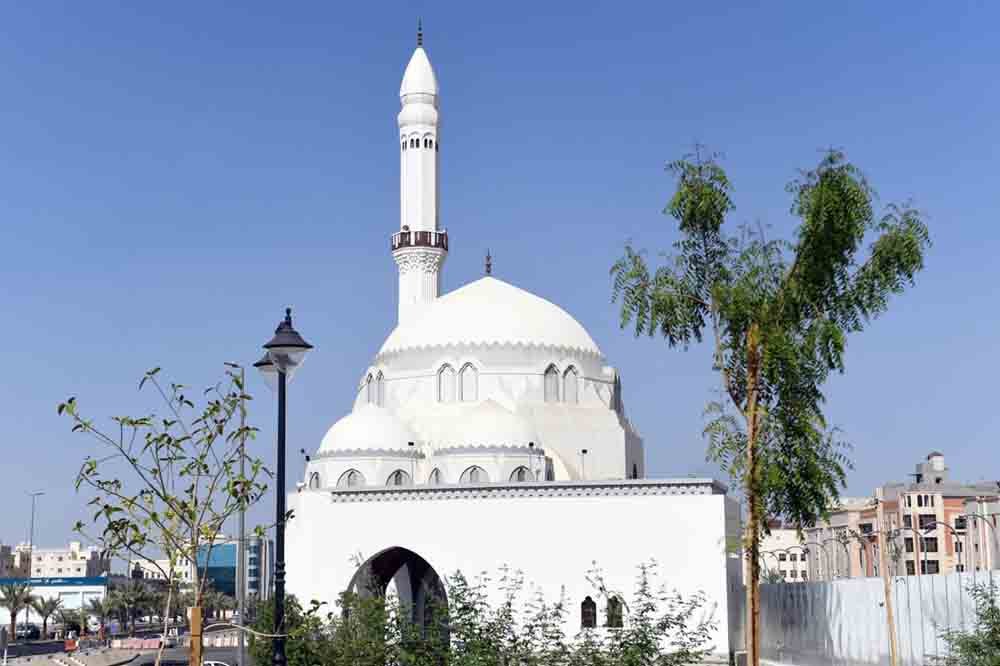
Masjid Jummah
Masjid Jummah is located on the outskirts of Madinah, approximately 2.5 kilometers from Masjid al-Nabawi. This mosque is historically significant as the site where Prophet Muhammad (peace be upon him) led the first Jummah (Friday) prayer shortly after his migration (Hijrah) from Makkah.
The mosque is closely connected to the Prophet’s journey from Makkah to Madinah and continues to be a cherished ziyarat site for pilgrims. Many visitors believe that performing Jummah prayer here carries special spiritual rewards, making it a popular destination during peak pilgrimage seasons.
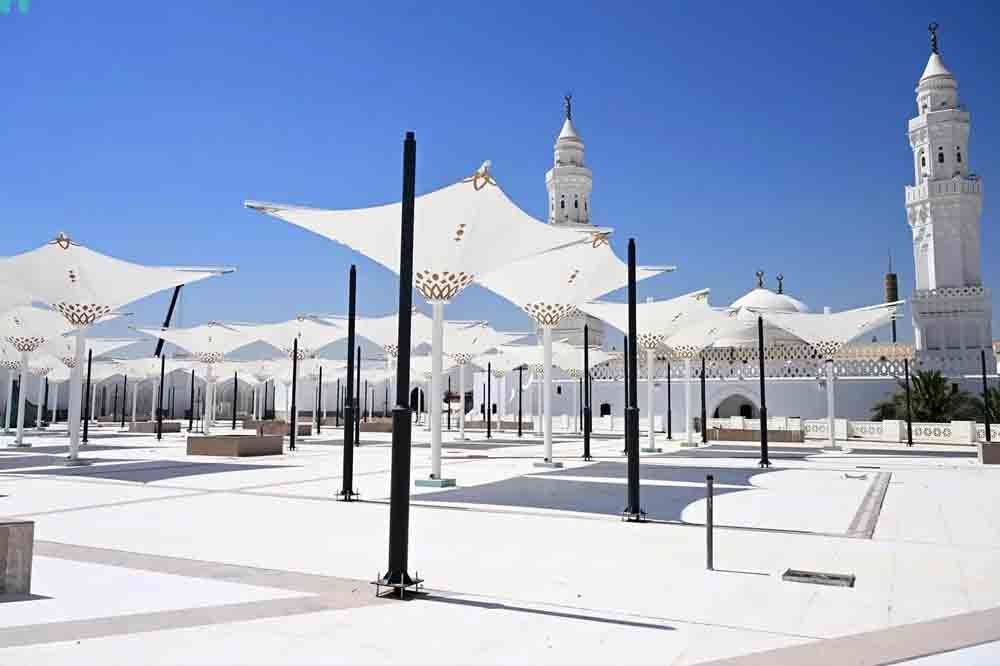
Masjid Qiblatain
Masjid Qiblatain, also called the Mosque of the Two Qiblas, is a historically important mosque located in Madinah, Saudi Arabia. It is renowned for its unique feature of having two Qiblas—one originally facing Jerusalem and the other directed toward the Kaaba in Makkah.
Initially, Muslims prayed facing Jerusalem as instructed during the early period of Islam. Later, following a revelation from Allah, the direction of prayer was changed to the Kaaba in Makkah, making this mosque a symbol of this significant moment in Islamic history.
Best Time for Ziyarat
Many Muslims choose to perform Umrah during Ramadan, but regardless of timing, it is important to plan visits to Makkah and Madinah carefully to ensure comfort and convenience.
The cooler months, from October to April, are generally the most comfortable for visiting Makkah.
The less crowded period, ideal for a quieter experience, is typically June to August. Pilgrims can select the timing that best suits their schedule and preference for Umrah.
Ziyarat Timings for Women
At Masjid al-Nabawi, Madinah, women can perform ziyarat during:
Morning: 6:00 AM – 11:00 AM
Evening: 9:30 PM – 12:00 AM
Fridays: 6:00 AM – 11:00 AM and 9:00 PM – 12:00 AM
At Masjid al-Haram, Makkah, women’s ziyarat timings are:
After sunrise: 7:00 AM – 9:00 AM
After Isha prayer: 10:00 PM – 12:00 AM
Ziyarat Timings for Men
Men can perform ziyarat at:
Daytime: 11:00 AM until Isha prayer
Nighttime: 12:30 AM until Fajr prayer
These timings help pilgrims plan their visits efficiently and make the most of their spiritual journey.
